
Safari marketing tips
Why Your Safari Website Is Getting Traffic But No Enquiries — And How to Fix It
You check your website analytics and the numbers look encouraging. Visitors are arriving. Pages are being viewed. People are spending time on your site. Yet the enquiry form sits quiet. The WhatsApp button goes untapped. The phone does not ring.
This is one of the most common and most demoralising situations for safari and tour operators in Kenya — and it is far more fixable than most people realise. Traffic without conversion is not a traffic problem. It is a website problem. Specifically, it means your website is attracting the right people but failing to give them a compelling reason to take the next step.
The gap between a safari website that gets traffic and one that consistently converts that traffic into enquiries comes down to a small number of identifiable, fixable issues. Here are the six most common conversion killers on safari websites — and exactly what to do about each one.
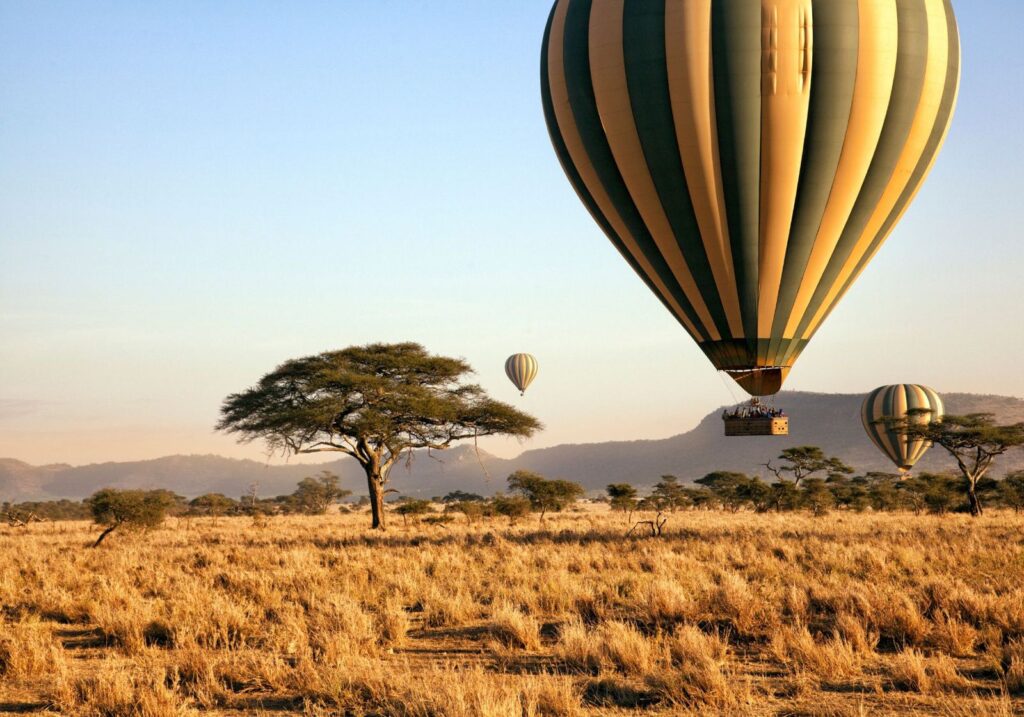
A magnificent safari experience starts with turning casual website browsers into booked guests.
Conversion Killer 1: Your Website Loads Too Slowly
This one is unglamorous, technical, and responsible for losing more potential clients than almost any other factor on this list.
International travelers researching a safari in Kenya are typically on fast broadband connections in the UK, Germany, or the US. When your website takes more than three seconds to load, a significant percentage of those visitors leave before a single image appears — and they do not come back. Google’s own research consistently shows that the majority of mobile users abandon a site that takes longer than three seconds to load. For a high-consideration purchase like a safari, where the visitor is already doing extensive research across multiple operators, patience is thin.
The most common causes of slow safari websites are oversized, uncompressed images (ironic, given how central photography is to the industry), unoptimised video backgrounds on homepage banners, and cheap hosting that cannot handle even modest traffic volumes.
The Fix:
Run your website through Google PageSpeed Insights — it is free and gives you a specific, prioritised list of what is slowing your site down. Compress every image on your site using a tool like TinyPNG or ShortPixel. If you are running a video background on your homepage, replace it with a high-quality compressed image or ensure the video is hosted via a dedicated platform rather than uploaded directly to your server. Upgrade your hosting if you are on a shared server — for a business generating or targeting significant revenue, hosting is not the place to cut costs.
Conversion Killer 2: There Is No Clear, Compelling Call to Action
Visit ten safari operator websites in Kenya and count how many have a clear, specific, prominently placed call to action on the homepage. The number is usually two or three out of ten — and even those are often buried below the fold, written in vague language, or competing with four other buttons for the visitor’s attention.
A call to action is not just a button that says “Contact Us.” It is a specific invitation that tells the visitor exactly what will happen next and why they should take that step now. “Contact Us” asks for nothing and promises nothing. “Plan My Safari — Get a Free Custom Itinerary” tells the visitor what they will receive, makes the process feel personal, and reduces the perceived risk of reaching out.
Most safari websites suffer from what might be called CTA confusion — too many options, none of them compelling. A homepage might have a “Learn More” button, a “Book Now” button (which links to a generic contact form), a WhatsApp icon in the corner, a newsletter signup in the footer, and a phone number in the header. The visitor’s attention is split across all of them and they end up clicking none.
The Fix:
Conversion Killer 3: Your Copy Is Generic and Interchangeable
Read the homepage copy of most safari websites and you will find the same phrases repeated almost word for word across competitors: “unforgettable safari experiences,” “expert guides,” “breathtaking landscapes,” “tailored to your needs.” These phrases have been used so often they have become invisible — they register as background noise rather than compelling reasons to choose your company over the one the visitor just had open in the previous tab.
Generic copy fails because it does not differentiate and it does not speak specifically to the traveler’s situation. An international traveler planning their first safari to Kenya does not need to be told that the Maasai Mara is beautiful — they already know that. What they need to understand is why your company, specifically, is the right choice to guide them through it. What makes your guides different? What specific experiences can only they access? What has your company figured out about the Maasai Mara that others have not?
Specificity is persuasion. The more specific your copy, the more credible and trustworthy your brand becomes — and the more clearly a prospective client can imagine themselves choosing you.
The Fix:

A magnificent safari experience starts with turning casual website browsers into booked guests.
Conversion Killer 4: Your Photography Is Not Doing Its Job
The decision to book a safari is fundamentally emotional. A traveler imagines themselves in the landscape, in the vehicle, watching the sunrise over the plains. Your photography is the most powerful tool you have to make that imagination vivid and irresistible — and for many safari websites, it is being wasted.
The most common photography mistakes on safari websites are stock images that travelers have already seen on other sites, low-resolution images that look unprofessional on modern high-resolution screens, photos that feature the landscape but not the human experience (guides, guests, moments of connection and wonder), and hero images that are visually beautiful but emotionally inert — technically impressive landscape shots that do not make the viewer feel anything urgent.
The Fix:
Conversion Killer 5: Your Website Is Not Built for Mobile
More than half of all web traffic globally comes from mobile devices — and for travelers researching safaris while commuting, during lunch breaks, or in the evening from their sofas, the mobile experience is often the only experience they have of your website before deciding whether to enquire.
A website that looks polished on a desktop but breaks on mobile — with text too small to read, buttons too close together to tap, images that load slowly or display incorrectly, and forms that are cumbersome to fill on a phone screen — immediately signals to the traveler that the business is not professionally managed. The psychological leap from “this website does not work on my phone” to “I am not sure I trust this company with my holiday” is shorter than most operators expect.
The Fix:
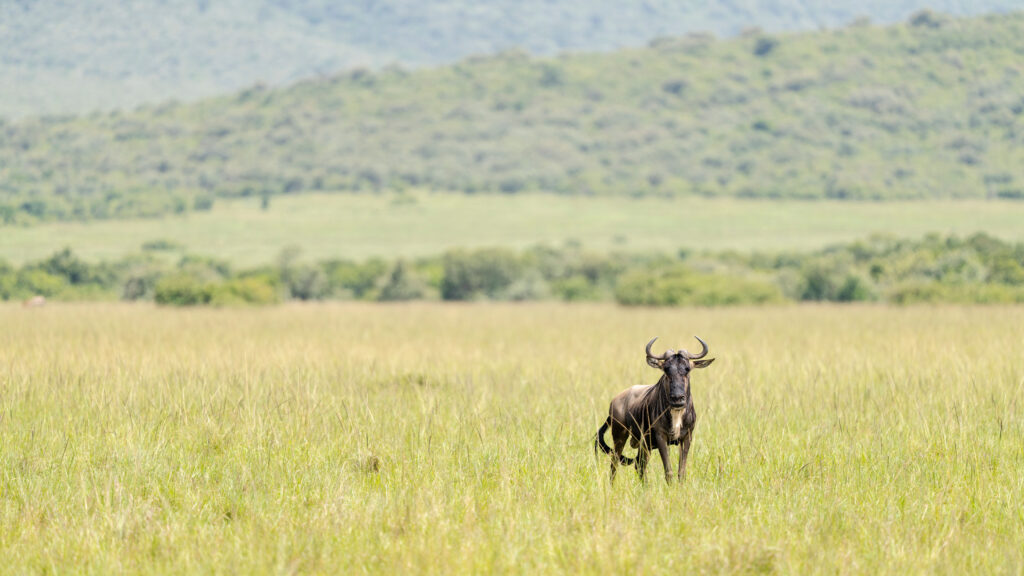
A magnificent safari experience starts with turning casual website browsers into booked guests.
Conversion Killer 6: There Are No Trust Signals at the Point of Decision
By the time a traveler is seriously considering making an enquiry, they are also experiencing doubt. This is a significant financial commitment. They cannot physically visit your office or shake your hand. They are trusting a website — and possibly a company they discovered through a Google search twenty minutes ago — with a trip they may have been saving for years.
At this moment of hesitation, trust signals are what tip the decision. Trust signals are the elements on your website that provide independent, credible evidence that your company is legitimate, experienced, and capable of delivering what it promises. Most safari websites have too few of them, placed in the wrong locations, or presented in a way that feels generic rather than credible.
The most effective trust signals for safari operators are:
- Specific, named testimonials that reference the guest's actual experience and include their nationality.
- TripAdvisor and Google review ratings displayed prominently near the CTA rather than buried in the footer.
- Press coverage or travel publication features if available.
- Named guide profiles with genuine expertise and personality.
- Specific proof numbers that demonstrate scale (e.g., "Over 1,200 safaris guided since 2010").
The Fix:
The Conversion Mindset Shift
The operators who fix these six issues do not just get more enquiries. They get better enquiries — from more qualified, higher-intent travelers who have already been persuaded by the website before they reach out. That means faster sales conversations, less time spent on leads that go nowhere, and clients who arrive pre-sold on the value of the experience rather than shopping primarily on price.
Your website is not a digital brochure. It is your most important sales tool — working twenty-four hours a day, reaching travelers in the UK, Germany, the US, and beyond while you sleep. The gap between a website that converts and one that does not is rarely about design. It is about strategy, specificity, and trust.
The traffic is already there. The question is whether your website is ready to do something with it.
What to Do Next
If you are not sure which of these six issues is doing the most damage to your enquiry rate, the fastest way to find out is a structured audit of your website’s conversion performance.
At Viktorum, we offer a free 30-minute marketing audit for safari operators and hospitality brands — covering your website, your search visibility, your review profile, and your overall digital presence. We limit these to five per month to ensure high-impact value.
The traffic is already there. The question is whether your website is ready to do something with it.